
Zanzibar culture and traditions: Villages, Spiritual Rhythm & Swahili Values

Introduction — Zanzibar culture and traditions ; Where Time Moves Slowly, and Life Moves Deeply
Zanzibar culture and traditions ; The true culture of Zanzibar is not found in resorts or hotels.It is found in sandy village paths, in the soft thump of a pestle grinding spices at dawn, in the laughter of children racing barefoot under coconut trees, and in the voices of elders sharing stories as they sit in the shade of coral-stone homes.
This is a world where life flows slowly — pole pole — and every moment carries meaning.
Zanzibar’s daily rhythm is shaped by centuries of Swahili heritage, Islamic tradition, Indian Ocean trade, and a deep communal spirit. The island’s culture is gentle yet strong, poetic yet practical, ancient yet alive.
To understand Zanzibar, you must look beyond beaches and understand the soul: its people, its values, its villages, and its traditions.
This guide takes you into that private world — respectfully, truthfully, beautifully.

1.The Structure of Swahili Communities — Family, Respect & Collective Life
Swahili society is built around community.Not the Western idea of “neighbors,” but a deeper, interconnected web of relationships where everyone belongs to a larger unit.
Key cultural pillars:
Zanzibar culture and traditions ; Family is extended, not nuclear
Aunts, cousins, grandparents, neighbors — all are considered family.
Elders hold authority
Their wisdom is respected. Their guidance shapes decisions.
Children belong to everyone
They roam freely, loved and watched by the entire community.
Community over individualism
Helping others is a duty, not a favor.
Sharing is cultural DNA
Food, tools, stories, advice — nothing is kept to oneself.
Harmony matters more than confrontation
Disagreements are handled quietly, respectfully, indirectly.
This is a culture held together by collective warmth.
2. Village Life — The Heartbeat of Zanzibar’s Identity
Zanzibar’s villages — Jambiani, Makunduchi, Uzi, Kizimkazi, Bwejuu, Nungwi, Matemwe — are the cultural engine of the island.
Morning Rhythm (5:30 AM – 9:00 AM)
Fishermen return with the sunrise
Women sweep sandy courtyards
Children walk to madrasa
Older men gather on baraza benches
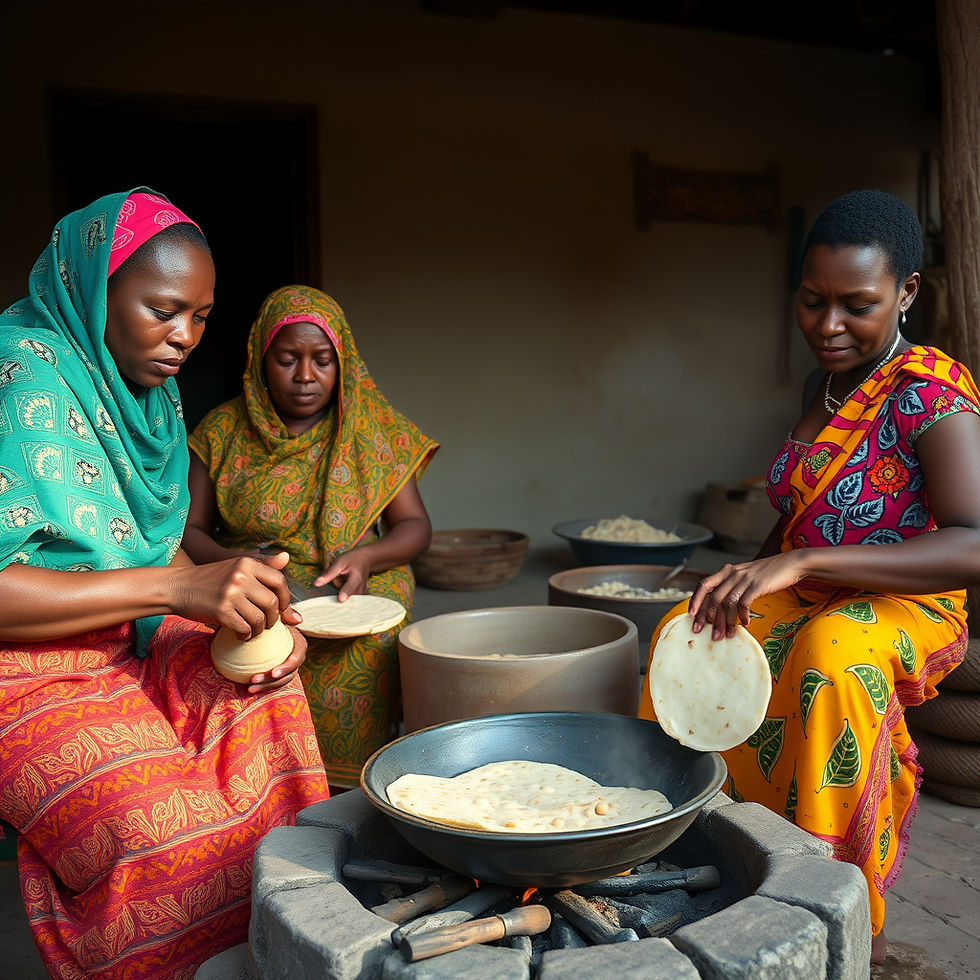
The smell of tea, chapati, and coconut beans fills the air
Midday Rhythm (11:00 AM – 3:00 PM)
The heat slows everything
Women prepare lunch — rice, curries, pilau
Kids run through sandy paths
Livestock roam: cows, goats, chickens
Men repair fishing nets or boats
Evening Rhythm (4:00 PM – 8:00 PM)
Call to prayer softens the village
Families gather in yards for stories
Women cook dinner as children play
Men return from sea or farms
Youth gather by the beach, laughing into twilight
Village life is slow, rhythmic, communal.
3. Traditional Roles — Modern World, Old Values
Swahili society balances modernity with tradition.
Women’s roles (traditionally):
Cooking & home management
Seaweed farming
Childraising
Crafting mats, baskets, coconut rope
Leading family values and discipline
Men’s roles (traditionally):
Fishing
Farming (coconuts, cassava, fruits)
Construction
Religious leadership
Community problem-solving
But roles are shifting — women now run businesses, lead tours, work in hotels, and pursue education.
Yet tradition remains the backbone.
4. Swahili Food Rituals — Slow, Shared & Sacred
Food in Zanzibar is not eaten casually — it is a communal act.
The cultural rules of eating:
Food is shared, not individualized
Communal plates, communal eating.
Meals are eaten slowly
No rushing.Food is conversation.
Spice is storytelling
Each flavor reflects centuries of trade.
Tea is ritual
Cardamom tea (chai ya tangawizi) is served morning, afternoon, and evening.

Guests eat first
Hospitality is honored above all.
Signature cultural meals include:
Pilau
Biryani
Urojo
Coconut beans (maharagwe ya nazi)
Octopus stew
Zanzibar breads (chapati, mkate wa ufuta, mandazi)
Food is identity.
5.Clothing Traditions — Modesty, Color & Beauty
Women’s Clothing
Khanga: Colorful cloth with Swahili proverbs
Dera: Loose, flowing dress
Buibui: Black cloak for modesty
Hijab: Headscarf
Henna art: Weddings, ceremonies, celebrations
Men’s Clothing
Kanzu: White robe for formal events
Kofia: Embroidered cap
Cotton shirts & trousers for everyday comfort
Dress reflects respect, modesty, and identity.
6.Spiritual Rhythm — Islam in Daily Life
Islam shapes the cultural tone of the island — softly, deeply, respectfully.
Daily expressions:
Five calls to prayer echo through the air
Greetings reference peace (Assalamu Alaikum)
Cleanliness is valued
Modesty is practiced
Community gatherings are frequent
Ramadan
Life slows beautifully:Days are quiet, nights glow with prayer, families gather for iftar, and generosity fills the island.
Friday (Jummah)
A sacred day — shops slow, mosques fill, families come together.
Spirituality is woven into everyday life — not loud, not forced, just naturally present.
7. Celebrations, Ceremonies & Ancient Traditions
Zanzibar’s culture expresses itself most vividly during celebrations.
Weddings (Harusi)
Bright dresses, drums, henna, taarab music, feasting.
Mwaka Kogwa (Shirazi New Year)
A dramatic festival with symbolic “fighting,” fire cleansing, drums, dancing, and renewal.
Maulid Celebrations
Poetry, remembrance, spiritual songs.
Eid Festivals
New clothes, family gatherings, feasting.
Funerals & Aqiqah
Quiet, respectful ceremonies with deep communal support.
Traditions hold the community together.
8. Art, Craft & Coastal Creativity
Swahili creativity is everywhere — understated but powerful.
Cultural crafts include:
Basket weaving
Rope making
Wood carving
Henna art
Traditional music
Coral stone construction
Contemporary creativity:
Modern Taarab
Hand-painted khanga patterns
Local fashion fusion
Street murals
Boat carvings
Art is woven into daily existence.
9. Etiquette & Behavior — How to Move Respectfully in Zanzibar
Zanzibar culture values softness, respect, and humility.
DO:
Greet before asking anything
Dress modestly in villages
Accept tea when offered
Speak gently
Ask permission before taking photos
Use the right hand when receiving items
Remove shoes when entering homes
DON’T:
Public kissing or heavy touching
Visiting mosques without permission
Wearing bikinis in town/villages
Raising your voice
Rushing interactions
Respect opens doors here.
10. The Rhythm of Life — Slow, Warm, Deeply Human
Zanzibar life moves with:
The tides
The wind
The call to prayer
The position of the sun
The sounds of children
The aroma of cooking
The pace of conversation
It is life lived intentionally, not hurried.
This rhythm is what visitors often fall in love with — the feeling that time stretches gently across the day.
Conclusion — The Soul of Zanzibar Lives in Its People
Zanzibar is known for its turquoise water, sunsets, and beaches — but its soul lives in its culture:
In the softness of greetings.In the poetry of Kiswahili.In the patience of village life.In the rhythm of drum ceremonies.In the warmth of hospitality.In the slow beauty of everyday rituals.In the strength of community.In the scent of spices carried by the wind.
This is the Zanzibar that tourists rarely see — but travelers who move respectfully will always feel.
A culture rooted in ancient memory, carried by modern generations, and preserved with pride.
Welcome to the true Zanzibar — gentle, poetic, communal, and deeply human.


Comments