
Lake Baringo – A Birdwatcher’s Paradise
- maria maris
- Oct 19, 2025
- 4 min read

In the heart of Kenya’s Great Rift Valley lies Lake Baringo, a serene freshwater lake surrounded by rugged cliffs, volcanic islands, and golden savannah. Unlike the region’s alkaline lakes, Baringo teems with life — from hippos and crocodiles to more than 450 species of birds, making it one of the best birding destinations in Africa. It’s a place of reflection, culture, and color — where fishermen paddle traditional reed boats, herons glide over still waters, and sunsets paint the sky with orange fire.
For travelers, Lake Baringo is a peaceful retreat — a perfect blend of adventure, photography, and quiet connection to nature.

A Freshwater Jewel of the Rift Valley
Located about 270 kilometers northwest of Nairobi, Lake Baringo sits at an altitude of 970 meters and covers roughly 130 square kilometers. It is one of only two freshwater lakes in the Rift Valley, the other being Lake Naivasha. Fed by rivers Molo, Perkerra, and Ol Arabel, the lake sustains a rich ecosystem and supports thousands of locals through fishing and eco-tourism. Its calm waters mirror the surrounding Laikipia Escarpment and Tugen Hills, creating postcard-perfect views from sunrise to dusk.
Birdlife – Kenya’s Feathered Kingdom
Birdwatching is the main attraction at Lake Baringo — a paradise for ornithologists and casual travelers alike. With over 450 bird species, including African fish eagles, verreaux’s eagles, marabou storks, goliath herons, kingfishers, and bee-eaters, the lake is alive with sound and movement. Early mornings bring melodious calls as flocks sweep across the sky, while evenings echo with fish eagles’ haunting cries.
Take a boat trip with a local guide who can identify birds by sight and sound. You might even witness the dramatic sight of a fish eagle swooping down to snatch prey from the surface — a photographer’s dream.

Wildlife on the Water and Islands
Lake Baringo’s islands and shorelines offer more than birds. You’ll often spot hippos wallowing in shallow waters and Nile crocodiles basking on sunny banks. The lake hosts seven islands — the most notable being Ol Kokwe Island, home to the Njemps community (a sub-tribe of the Maasai). They rely on fishing and livestock herding, using traditional papyrus reed boats to navigate the lake.
A visit to Ol Kokwe introduces you to their unique lifestyle, traditional huts, and handmade crafts — a chance to experience Kenya’s cultural side alongside its natural wonders.
Scenic Activities and Attractions
Beyond birding, Lake Baringo offers many adventures for nature enthusiasts:
Boat Safaris: Glide silently past crocodiles, hippos, and birds. Morning tours are ideal for calm waters and soft light.
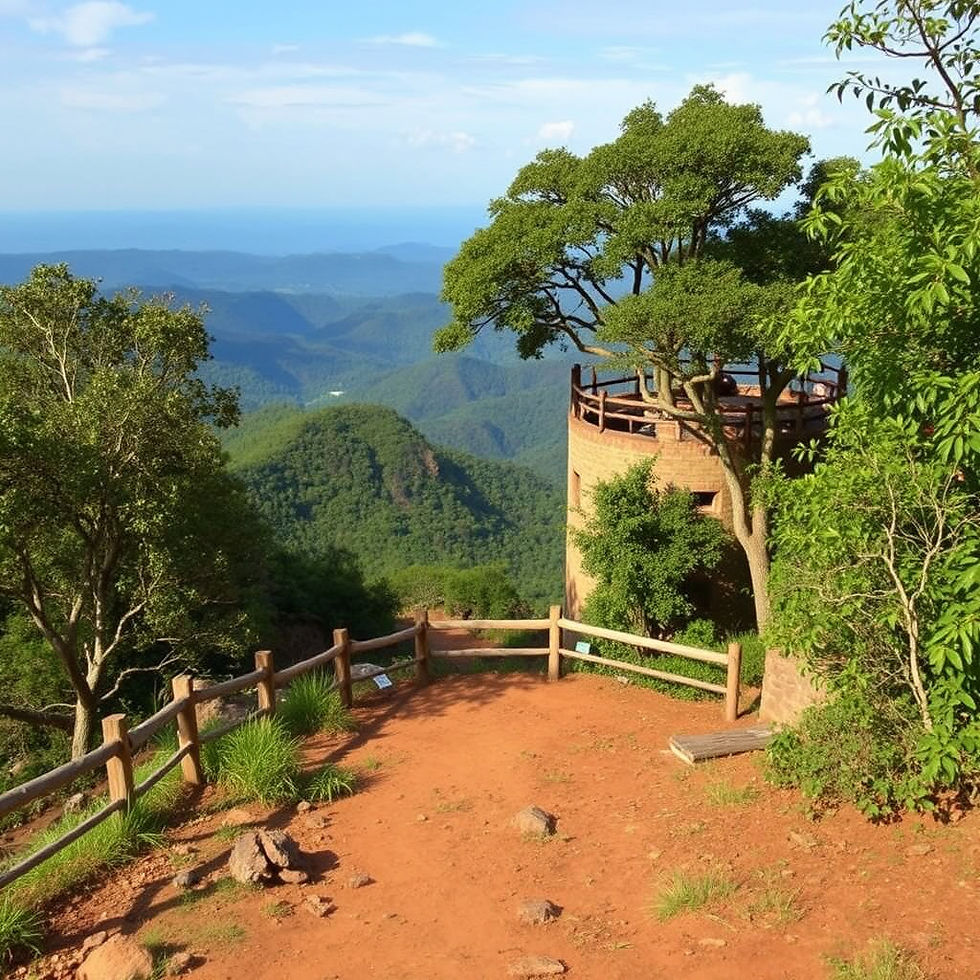
Nature Walks: Explore the nearby Lake Baringo Reptile Park or hike up to Kampi ya Samaki Viewpoint for panoramic lake views.
Cultural Visits: Meet the Njemps and Pokot communities, learning about their fishing traditions and handmade beadwork.
Island Camping & Hot Springs: On Ol Kokwe Island, natural hot springs bubble from the ground — a sign of the region’s volcanic past.
For photographers, every moment here is golden — from fishermen casting nets at dawn to eagles diving at sunset.
Best Time to Visit and Travel Tips
Lake Baringo can be visited year-round, though seasons influence wildlife and comfort:
October–April: Ideal for birdwatching, as migratory species from Europe and Asia arrive.
May–September: Quieter months with pleasant weather and dramatic sunsets.
Travel Tips:
Bring binoculars, a camera with zoom, and light, breathable clothing.
Mornings are best for boat rides before the heat intensifies.
Carry insect repellent and sunscreen; the valley sun can be strong.
Support community-run tours to ensure your visit benefits local people and conservation.
How to Reach Lake Baringo
By Road: Approximately a 5–6-hour drive from Nairobi via Nakuru and Marigat. The road is paved most of the way, though the final stretch can be rough.
By Air: Charter flights land at Kampi ya Samaki Airstrip, located near the lake’s main hotels.
By Public Transport: Buses and matatus operate from Nairobi to Marigat, where taxis or motorbikes connect to the lake.
Kampi ya Samaki, the main gateway town, serves as the perfect base — complete with lodges, guides, and boat operators.
Accommodation Options
Lake Baringo offers a range of stays for every budget:
Soi Safari Lodge: Classic lakeside lodge with great views and a swimming pool.
Tumbili Cliff Lodge: Eco-friendly, perched on cliffs overlooking the lake — perfect for photography lovers.
Robert’s Camp: A mid-range, family-friendly option with camping sites.
Island Camping: On Ol Kokwe for adventurous travelers seeking complete immersion in nature.
Evenings by the lake are magical — you’ll hear frogs croaking, hippos grunting, and the wind whispering through the reeds.
Conclusion
Lake Baringo is a place where time slows and nature sings. It’s where birds trace patterns across the sky, hippos stir in the shallows, and people live in harmony with the land. More than a destination, Baringo is a feeling — of calm, color, and connection.
Safety & Responsible Travel Tips:
Always use life jackets during boat rides.
Keep a safe distance from hippos and crocodiles — they are unpredictable.
Avoid swimming in the lake.
Respect local communities; ask permission before taking photos.
Carry enough water; Rift Valley temperatures can soar.
Avoid plastic waste — use refillable bottles and eco-friendly bags.
Book activities through certified local guides for safety and community support.
Visit Lake Baringo, and you’ll leave with more than photos — you’ll carry a deep sense of Kenya’s natural soul.


Comments