
Shimba Hills National Reserve – Where the Forest Meets the Ocean
- maria maris
- Oct 19, 2025
- 4 min read

Introduction
Just 33 kilometers southwest of Mombasa, where coastal breezes mix with mountain air, lies one of Kenya’s most beautiful and underrated parks — Shimba Hills National Reserve. Known as “the green heart of the coast,” this tropical paradise combines rolling hills, misty forests, and sweeping views of the Indian Ocean. Home to rare species like the sable antelope, elephants, and over 250 bird species, Shimba Hills offers the perfect blend of safari and serenity.
For travelers looking to escape the heat of the coast without losing the magic of nature, Shimba Hills is an oasis of calm, adventure, and breathtaking scenery.
A Tropical Forest Above the Sea
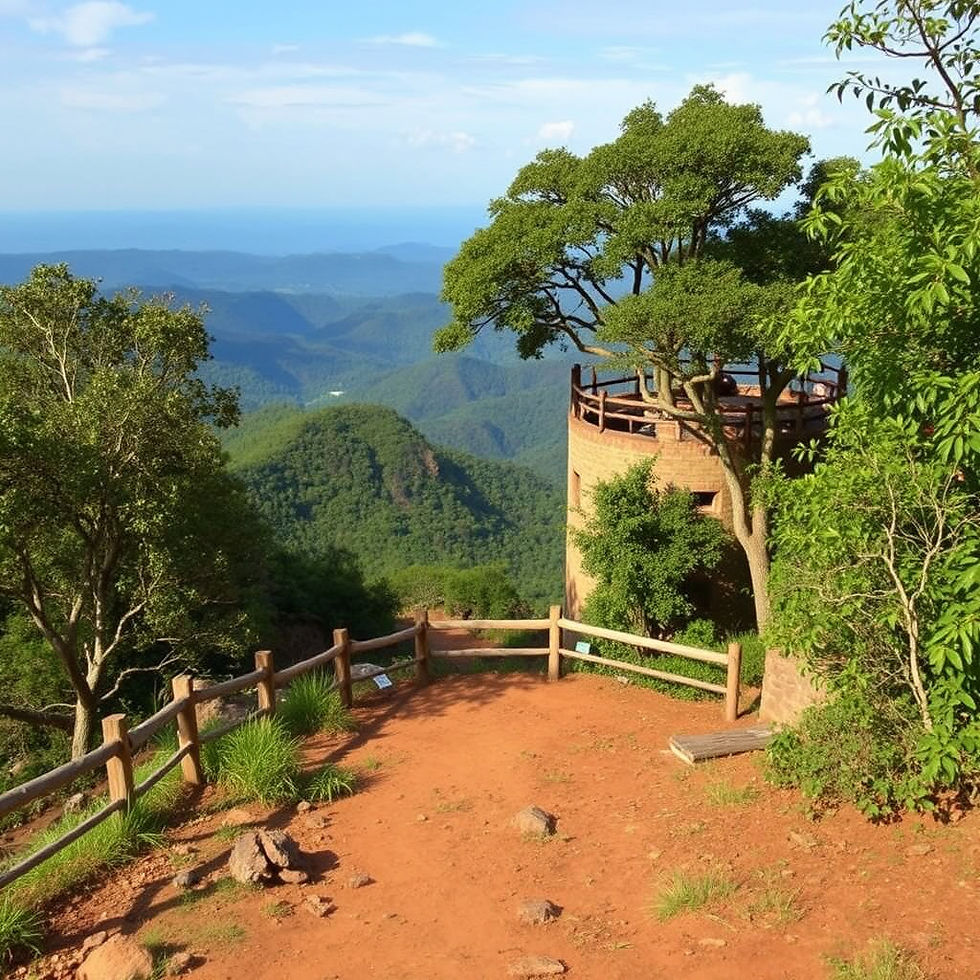
Covering 300 square kilometers, Shimba Hills National Reserve is one of Kenya’s largest coastal forests, second only to the Arabuko Sokoke. Its landscape is a mix of wooded hills, open grasslands, and deep river valleys, often blanketed by morning mist. At its highest point — about 450 meters above sea level — the reserve offers panoramic views that stretch all the way to Diani Beach and the Indian Ocean.
The reserve’s name comes from the Swahili word “Shimba,” meaning “a place of forests,” and it truly lives up to that promise.
Wildlife and Birds – Hidden Treasures of the Coast
Shimba Hills is a refuge for some of Kenya’s rarest wildlife. It’s the only place in Kenya where you can see the magnificent sable antelope, a striking creature with long, curved horns and glossy black coat. Other residents include elephants, giraffes, buffaloes, bushbucks, baboons, and leopards (though sightings are rare). Over 250 bird species have been recorded, including hornbills, African hawk-eagles, and the colorful green-headed oriole.
Butterflies dance through the air, monkeys swing in the trees, and the forest hums with life — it’s a world away from the busy beaches just below.

Sheldrick Falls – Nature’s Hidden Gem
One of the reserve’s highlights is Sheldrick Falls, a stunning 25-meter waterfall hidden deep within the forest. A guided hike (about 2 km each way) leads visitors down a lush path filled with tropical plants, birdsong, and occasional butterflies. At the base of the falls, cool spray fills the air as water cascades into a tranquil pool surrounded by greenery.
It’s a peaceful spot for photography, picnics, or simply listening to the forest breathe. The walk takes about 45 minutes each way, and it’s best done early in the day when the air is cool.
Safari Experiences and Viewpoints
Though small compared to other Kenyan parks, Shimba Hills offers a variety of safari experiences:
Game Drives: Explore rolling hills and grasslands where elephants graze and antelopes leap through tall grass.
Guided Nature Walks: Conducted by Kenya Wildlife Service (KWS) rangers, these walks bring you closer to the forest’s secrets.
Scenic Viewpoints: Don’t miss Elephant Hill Viewpoint or Marere Dam, where you can watch wildlife against a backdrop of ocean blue.
Unlike the savannah parks, Shimba Hills’ forested terrain gives safaris here a sense of intimacy and mystery — every turn hides something new.
Best Time to Visit and Travel Tips
Shimba Hills is a year-round destination, but the best experience depends on what you want to see:
June–October: Dry season — great for wildlife spotting and clear ocean views.
November–May: Wet season — greener, cooler, and ideal for birdwatching and photography.
Travel Tips:
Wear hiking shoes for waterfall trails.
Bring binoculars and a camera for birding and panoramic shots.
Carry insect repellent, sunscreen, and drinking water.
Hire a local guide for the Sheldrick Falls hike — it’s required for safety and supports community employment.
Morning visits are best; mist lifts to reveal stunning light and calm weather before coastal humidity rises.
How to Reach Shimba Hills
Shimba Hills is easily accessible from Kenya’s south coast:
By Road: A 1-hour drive from Mombasa or 45 minutes from Diani Beach via Kwale town.
By Air: Fly to Ukunda Airstrip (near Diani) and continue by road to the park.
By Tour: Day trips from Diani and Mombasa are common; private vehicles and tour vans can enter through the Main Gate (KWS Headquarters).
The drive through villages and coconut plantations adds to the experience, offering glimpses of authentic coastal life.
Accommodation – Sleep Among the Trees
Stay overnight to experience the forest’s magic after sunset:
Shimba Hills Lodge: A wooden treehouse-style lodge overlooking a waterhole frequented by elephants and bushbucks.
Kutazama Lodge: Luxurious eco-lodge on the reserve’s edge with sweeping ocean views.
Camp Shimba or Self-Camping Sites: For budget travelers or adventurers seeking closer contact with nature.
Night in Shimba Hills feels enchanted — frogs croak, crickets sing, and distant waves echo from the coast below.
Conclusion
Shimba Hills National Reserve is where the wild meets the whisper of the sea — a place where elephants roam through misty forests, waterfalls tumble into hidden pools, and silence feels sacred. It’s a reminder that Kenya’s beauty isn’t only in the savannah; it’s also in the forests that breathe life into the coast.
Safety & Responsible Travel Tips:
Always explore with a KWS guide, especially for waterfall hikes.
Don’t feed monkeys or baboons — they can become aggressive.
Stay on marked trails and keep a safe distance from elephants.
Avoid walking alone at dusk or dawn; wildlife is most active then.
Bring back all litter — the forest ecosystem is delicate.
Respect local customs and dress modestly when passing through nearby villages.
Travel slow, listen to the forest, and you’ll find that Shimba Hills holds a quiet kind of magic — one that lingers long after you’ve left.


Comments