
The Ultimate Tanzania Travel Guide – Safari, Islands, Culture & Adventure
- maria maris
- Nov 23, 2025
- 4 min read

Tanzania is one of Africa’s most diverse and rewarding destinations, offering world-class wildlife experiences, beautiful islands, strong cultural traditions, and a wide range of outdoor adventures. Whether you want to witness the Great Migration, relax on white-sand beaches, or climb the highest mountain in Africa, Tanzania offers a complete travel experience for every type of traveler.
This guide provides a practical, informative overview to help you understand what Tanzania offers, how to plan your trip, and what to expect when you arrive.

Why Visit Tanzania?
Tanzania is known for its outstanding natural beauty, stable tourism infrastructure, and a welcoming atmosphere. The country offers:
Some of the world’s best safari destinations
The iconic Mount Kilimanjaro
Pristine Indian Ocean beaches and islands
Rich Swahili and tribal cultures
UNESCO-protected national parks and heritage sites
Travelers can combine multiple experiences in one trip without needing to cross borders, making Tanzania one of the easiest and most complete African destinations.
1. Top Safari Destinations
Tanzania has more protected wildlife land than any country in Africa. Here are the major areas to consider:
Serengeti National Park
The Serengeti is Africa’s most famous safari destination. It is home to the Great Migration, where millions of wildebeest and zebras move across the plains following rainfall. Visitors can expect to see lions, cheetahs, elephants, giraffes, buffalo, and hundreds of bird species. Game drives are available year-round, with peak seasons around June–October and January–March.
Ngorongoro Crater
Often referred to as the “Eighth Wonder of the World,” the Ngorongoro Crater is a collapsed volcano with one of the highest densities of wildlife on the continent. Because animals remain inside the crater year-round, sightings are almost guaranteed.
Tarangire National Park
Known for massive elephant herds and iconic baobab trees, Tarangire is ideal for quieter, less-crowded game drives. It is especially good between June and October, when animals gather around the Tarangire River.
Lake Manyara National Park
A compact park famous for tree-climbing lions and thousands of flamingos. It’s perfect for shorter visits or as part of a Northern Circuit itinerary.
Selous Game Reserve (Nyerere National Park)
Located in southern Tanzania, this vast reserve is less visited but excellent for boat safaris, walking safaris, and spotting wild dogs.
Ruaha National Park
One of East Africa’s largest national parks, known for rugged landscapes and large populations of lions and elephants. Ideal for visitors seeking remote and authentic safari experiences.
2. Zanzibar & Tanzania’s Islands
Tanzania’s coastline and islands offer some of Africa’s best tropical escapes.
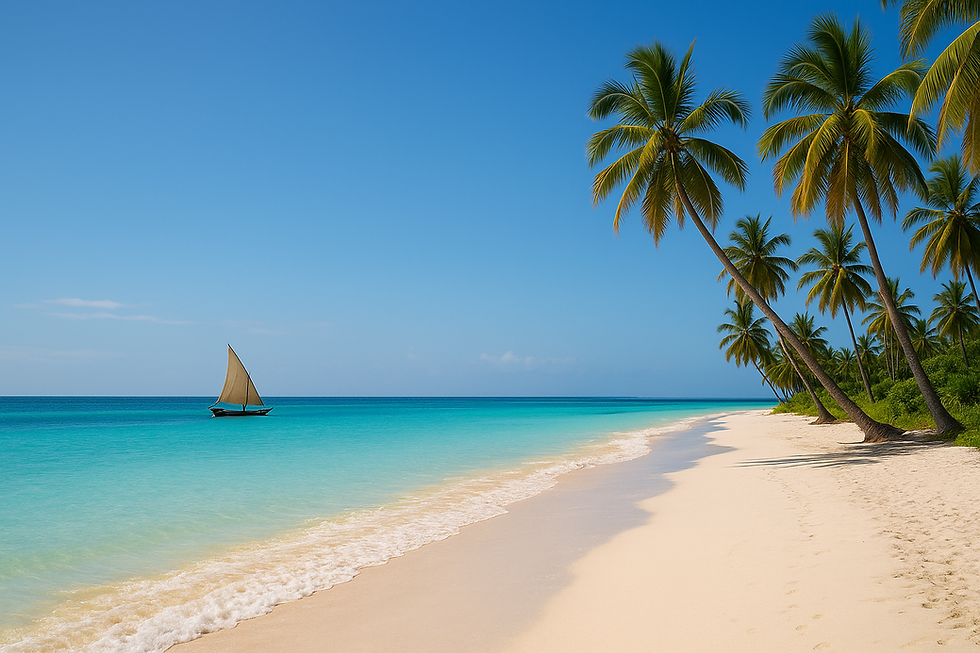
Zanzibar
Zanzibar Island (Unguja) is famous for its white-sand beaches, spice tours, and the UNESCO-listed Stone Town. Popular regions include:
Nungwi & Kendwa – Beautiful beaches and lively nightlife
Paje & Jambiani – Perfect for kitesurfing and relaxed stays
Stone Town – Cultural tours, history, and architecture
Pemba Island
More remote and less commercial than Zanzibar, Pemba is ideal for diving, snorkeling, and quiet retreats.
Mafia Island
Known for spectacular marine life, whale shark tours, and protected coral reefs in the Mafia Island Marine Park.
3. Mount Kilimanjaro
Mount Kilimanjaro, the highest summit in Africa, rises 5,895 meters above sea level. It attracts thousands of climbers each year.
Key things to know:
No technical climbing experience is required.
Most routes take 6–8 days.
Proper acclimatization is essential.
Popular routes include Machame, Lemosho, Rongai, and Marangu.
The best months for climbing are January–March and June–October.
4. Culture & People
Tanzania is home to over 120 ethnic groups, each with its own traditions, languages, and heritage.
Swahili Culture
Along the coast and islands, Swahili culture blends African, Arab, and Persian influences. Visitors can experience this through local cuisine, traditional music, and historic towns like Bagamoyo and Stone Town.
Maasai Communities
The Maasai people are known for their distinctive dress, traditional dances, and pastoral lifestyle. Many cultural villages near Ngorongoro and Arusha welcome visitors for guided experiences.
Local Hospitality
Tanzanians are friendly and polite. Basic Swahili greetings like “Jambo” (hello) and “Asante” (thank you) go a long way.
5. Adventure Activities
Tanzania offers a wide range of outdoor activities beyond safaris:
Diving & Snorkeling
The coral reefs of Zanzibar, Mafia, and Pemba are rich with tropical marine life.
Balloon Safaris
Hot air balloon rides over the Serengeti or Tarangire offer incredible views at sunrise.
Hiking & Nature Walks
Places like Udzungwa Mountains and Mount Meru provide excellent trekking routes.
Kitesurfing
Paje Beach in Zanzibar is one of Africa’s best kitesurfing destinations.
6. Best Time to Visit
Dry Season (June – October)
Best for safaris
Cooler weather
Peak travel season
Short Rains (November – December)
Fewer crowds
Green landscapes
Long Rains (March – May)
Lowest prices
Some roads may become difficult
Beach Travel
Zanzibar is good year-round, with the best weather from June–October and December–February.
7. Entry Requirements & Safety
Most travelers can obtain a Visa on Arrival or apply online for an e-Visa.
Tanzania is generally safe and stable for tourists.
Standard precautions are recommended in cities.
Yellow fever vaccination is required if arriving from an affected country.
8. What to Pack
Lightweight clothing for hot weather
Warm layers for early morning safaris
Insect repellent
Sun protection
Comfortable walking shoes
A good camera or binoculars for wildlife viewing
If climbing Kilimanjaro, proper cold-weather gear is essential.
Conclusion
Tanzania offers one of the most complete African travel experiences — wildlife, beaches, culture, adventure, and breathtaking landscapes all in one destination. Whether your goal is to see the Big Five, explore tropical islands, or connect with diverse cultures, Tanzania provides endless opportunities for discovery and unforgettable memories.
With good planning, the right timing, and an open mind, your journey through Tanzania can be one of the most rewarding travel experiences of your life.


Comments