
Taste of Burundi – Traditional Food and Local Drinks

Scene Lead
A pot simmers on a charcoal stove. The air is rich with the smell of peanuts, garlic, and slow-cooked cassava leaves. In the courtyard, children peel sweet bananas while a grandmother stirs the stew, humming an old song that has traveled through generations.
This is Burundi at the table — a country that cooks with memory, eats with gratitude, and welcomes strangers through flavor.
Introduction –Burundi Traditional Food and Local Drinks as the Language of Home
Burundian food isn’t fast, fancy, or pretentious — it’s heartfelt. It reflects the land itself: fertile, generous, and steady.
Meals are rarely eaten alone. Whether in Bujumbura’s bustling markets or small hillside villages in Gitega or Ngozi, food is the heartbeat of daily life.
Burundi Traditional Food and Local Drinks ;Each dish carries history — a story of family, harvest, and community. Burundi’s cuisine is East African yet distinctly its own, shaped by local ingredients, slow cooking, and communal spirit.
To taste Burundi is to know its people: humble, warm, and deeply connected to the land.

Staples of the Burundian Table
Ugali – The Foundation of Every Meal
Known locally as ubugari, this soft maize or cassava flour dough anchors every plate. It’s rolled by hand and dipped into sauces or stews. In Burundi, a meal without ugali feels incomplete — it’s both food and tradition.
Ibiharage – The Beloved Beans
Beans are the country’s comfort food. Cooked slowly with onions, tomatoes, and a touch of palm oil, they accompany nearly everything. Rich in protein and love, ibiharage symbolizes nourishment and togetherness.
Sweet Potatoes & Plantains
The Burundian highlands produce some of Africa’s sweetest tubers. Fried plantains with salt or honey are common street snacks, while boiled sweet potatoes serve as breakfast or side dishes.
Isombe – The Taste of Tradition
A national favorite made from cassava leaves, pounded peanuts, and spices. It’s earthy, creamy, and soulful — a dish that connects generations and regions.
The Lakes and Their Bounty – Fresh and Fried Delights
Burundi’s cuisine flows from Lake Tanganyika, one of the world’s deepest and most biodiverse lakes.
The star here is sambaza — tiny silver fish fried golden and served with lime and pili-pili sauce. Simple yet addictive, sambaza is best enjoyed by the lake at sunset, with laughter echoing across the shore.
Other favorites include tilapia grilled in banana leaves and smoked catfish, both rich in flavor and often served with rice or ugali.
At Saga Beach, vendors serve sambaza straight from the pan. Locals eat with fingers, sip cold Primus beer, and talk until the stars arrive.
Flavors of the Hills – Grills, Spices, and Gatherings
In Burundi, grilling isn’t just cooking — it’s celebration.
Brochettes – Burundi’s Barbecue Tradition
Skewers of marinated beef, goat, or fish grilled over charcoal, brushed with spices and served with fried plantains. They’re a fixture of Bujumbura evenings and roadside stalls across the country.
Pili-Pili – The Fiery Signature
No Burundian meal is complete without pili-pili, a chili sauce made from crushed red peppers, garlic, and lemon. Every home has its own version — some mild, some fierce — always unforgettable.
Drinks of Burundi – From Mountain Coffee to Banana Beer
Burundian Coffee – The Aroma of Altitude
The highlands of Kayanza and Ngozi grow Arabica Bourbon beans famed worldwide for their floral sweetness and citrus notes. Served black or lightly sugared, it’s not just a drink — it’s identity.
Coffee ceremonies bring people together; cups are shared between neighbors as greetings of peace and pride.
Urwarwa – The Banana Beer of Community
Made from ripe bananas, sorghum, and sometimes honey, urwarwa is brewed for celebrations, weddings, and village gatherings. Thick, slightly sweet, and fermented naturally, it carries centuries of tradition in each sip.
Other Local Favorites
Ikivuguto – a fermented milk drink, tangy and refreshing.
Tamarind juice – sweet-sour and cooling in the midday sun.
Primus & Amstel beer – locally brewed and enjoyed during social evenings.
Street Food – Flavor with a Heartbeat
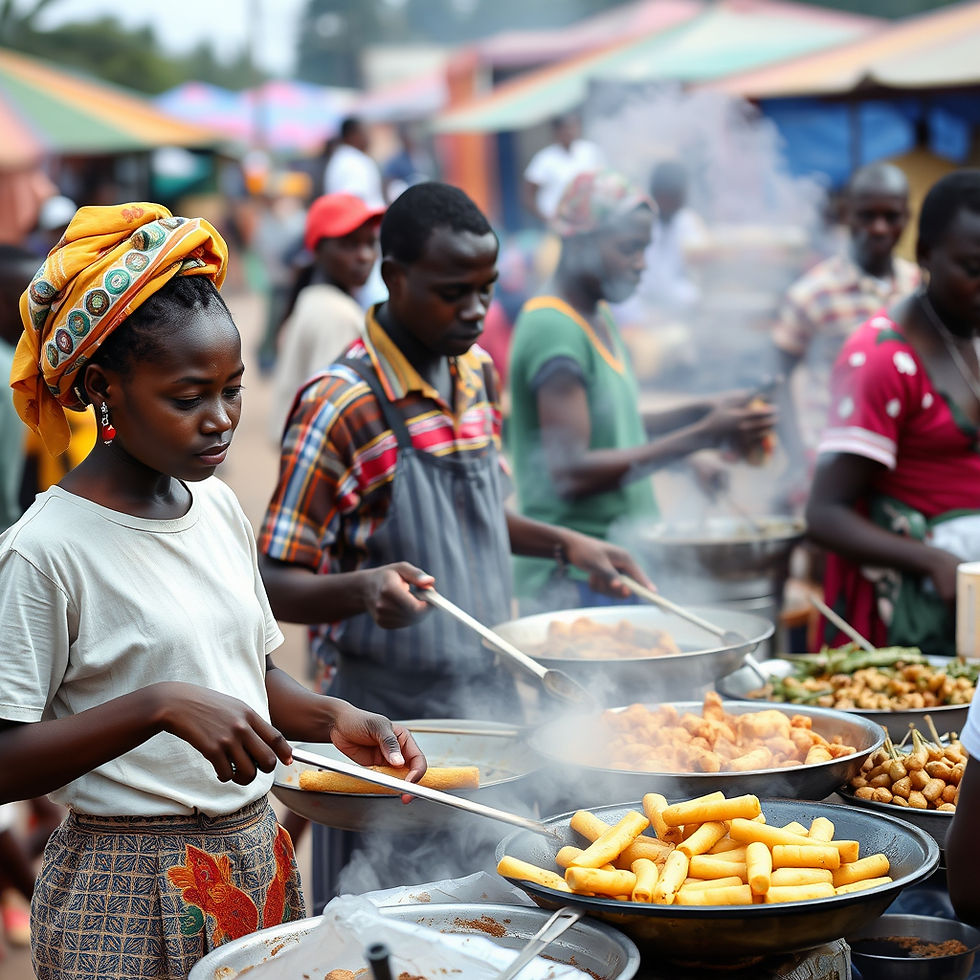
The streets of Bujumbura, Gitega, and Ngozi are full of irresistible aromas. Street food is fast, fresh, and full of joy:
Mandazi – sweet, fried dough dusted with sugar.
Chapati & samosas – Indian-inspired staples turned Burundian favorites.
Roasted maize sold roadside during the rainy season.
Eating on the streets isn’t just about hunger — it’s about community. Vendors know their customers by name, and travelers become part of the daily rhythm.
Food Culture – More Than a Meal
In Burundi, food isn’t rushed. Meals begin with gratitude and end with laughter.
Eating together symbolizes ubuntu — the belief that “I am because we are.” Guests are always served first, and refusing food can feel like declining friendship.
When invited to eat, you share the story, not just the plate.
Travie Tips – How to Taste Burundi Authentically
Eat where locals eat — markets, roadside grills, and small family restaurants.
Ask for isombe and sambaza — they define Burundian flavor.
Try banana beer at a village gathering — with respect and moderation.
Support women-run food cooperatives; they preserve culinary heritage.
Carry small cash for street vendors — and always say Urakoze! (thank you).
Do’s and Don’ts for Food Travelers
Do’s
Do wash hands before eating — Burundi’s tradition values cleanliness.
Do accept food with both hands — a sign of respect.
Do try local drinks — each has a story and cultural meaning.
Don’ts
Don’t waste food — every grain is valued.
Don’t rush — Burundian meals are unhurried moments of community.
Don’t assume spiciness — ask before adding pili-pili; some versions are fire!
Highlights – Flavors You Can’t Miss
Isombe: Cassava leaves, peanut sauce, and local love.
Sambaza: Tanganyika’s silver jewels of flavor.
Brochettes: The social grill of Burundi.
Banana Beer: The drink that unites celebrations.
Burundian Coffee: The world’s aroma in a cup.
Conclusion – Where Flavor Meets Family
The true taste of Burundi isn’t found in restaurants — it’s found in kitchens, courtyards, and shared laughter.
Every dish here is an act of love. From the first sip of banana beer to the last grain of ugali, you feel the heartbeat of a nation that cooks with soul.
Burundi’s food isn’t about luxury — it’s about belonging. It’s about the grandmother who still stirs isombe at dawn, the fisherman who brings sambaza to shore, the farmer who roasts coffee with pride.
So come hungry, come curious, and come ready to taste a country that feeds more than your body — it feeds your spirit.
Because in Burundi, every meal is a story, and every story ends with warmth.


Comments