
Stories From Afar: How Diaspora Families Preserve Culture and Connection
- maria maris
- Nov 19, 2025
- 4 min read

Distance can change your address, your habits, and even your future — but it cannot erase the stories that built you. For diaspora families, storytelling becomes the powerful thread that keeps culture alive across oceans. The further people travel, the more these stories matter. They become emotional lifelines, sources of identity, and bridges connecting generations who may never share the same hometown, street, or even language.
In the diaspora, stories transform into cultural currency — something you carry, something you pass on, something that keeps home alive inside you.
This is how diaspora families preserve culture and connection, even from afar.
The Power of Stories in Diaspora Life
When a family leaves their homeland, they don’t just pack clothes and documents — they carry history, memory, humor, wisdom, and the lived experiences of their ancestors. For children born or raised abroad, these stories become the only window into a land they may know only from pictures and occasional visits.
Stories do more than entertain. They:
build identity
preserve heritage
keep family history alive
teach values
connect generations
In diaspora homes, storytelling becomes an act of cultural survival.
Grandparents as Guardians of Memory
Even when thousands of miles away, grandparents play a vital role in keeping culture alive.
Their Voices Become Cultural Blueprints
Through voice notes, long video calls, recorded messages, and holiday calls at odd hours, grandparents pass down:
folklore
family history
proverbs
traditional values
life lessons
jokes and sayings unique to their culture
Their voices remind diaspora children that their roots run deeper than their current home.
Stories Transform Distance Into Presence
Even if children see their grandparents once every few years, they feel close through the stories repeated during calls — the same childhood tales their parents grew up hearing.
These stories become emotional threads tying generations together.
Parents as Cultural Translators
Diaspora parents hold a delicate and powerful role — translating the traditions of the homeland into the realities of a new country.
They Teach Culture Through Everyday Life
Parents use simple moments to pass down culture:
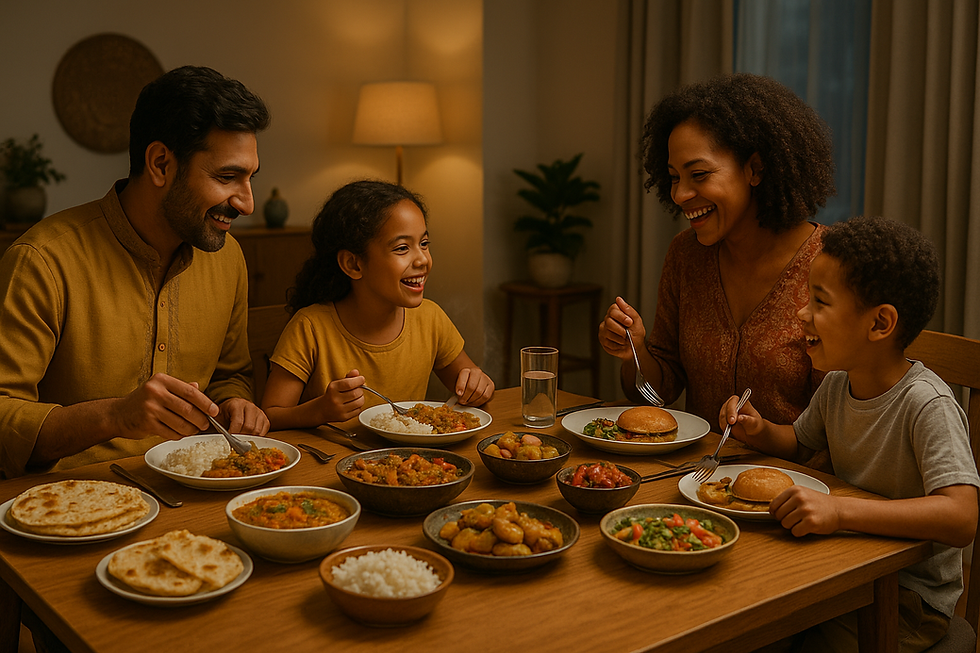
cooking traditional meals
speaking or mixing languages at home
teaching children greetings and manners from back home
explaining holidays and rituals
sharing childhood memories
These small acts build a cultural foundation stronger than any textbook.
They Preserve Values Through Stories
Parents tell stories about:
how life was before they migrated
sacrifices made by the family
lessons their own parents taught them
the meaning behind customs
the history of their community
These narratives help diaspora children understand why their family is the way it is.

Children as carriers of blended identities
Diaspora children are not simply heirs to culture — they become interpreters of it.
They Grow Up With Dual Storylines
One story is from the homeland: a story told through traditions, tales, heritage, and family history.
The other is from the new world: a story formed by school, friendships, media, and society.
Children raised in the diaspora learn to hold both stories with pride, merging them into a unique identity.
They Become Cultural Bridges
Diaspora children often translate cultures for their friends, teachers, and even their own family members. They carry pieces of both worlds and express them in modern, adaptable ways — through art, language, lifestyle, and creativity.
Their blended identity enriches both cultures.
Technology as a Cultural Lifeline
Modern diaspora families have one significant advantage previous generations didn’t — technology.
Video Calls Keep Traditions Alive
Families abroad can participate in:
weddings
funerals
birthday celebrations
religious ceremonies
family meetings
Even from thousands of miles away.
Seeing these moments helps diaspora children feel connected to their extended family.
Digital Archives of Culture
Families create WhatsApp groups, cloud folders, and shared albums filled with:
old photos
voice recordings
traditional songs
recipes
family jokes
historical memories
These digital archives become modern treasure chests of culture.
Storytelling Moves Across Screens
A bedtime story from a grandmother. A prayer whispered through a phone. A holiday ritual demonstrated on video. A cousin sharing a funny family memory during a call.
Technology turns continents into neighborhoods.
Homecoming Trips — Where Stories Become Reality
Stories prepare diaspora children for something magical — the first trip “back home.”
Seeing the Culture in Real Life
Children suddenly understand the stories:
the house their parents grew up in
the streets described in childhood tales
the smell of food they heard so much about
the relatives whose voices they know by heart
the landscapes, music, and energy of the homeland
Everything becomes real.
Building Memories That Last Forever
These visits imprint cultural pride and deepen emotional connection. They reinforce identity and strengthen the family bond across generations.
The Role of Community in Preserving Culture
Diaspora families rarely preserve culture alone — they rely on community spaces like:
cultural organizations
places of worship
language schools
community centers
neighborhood gatherings
Here, families share stories collectively, creating a shared cultural environment for their children.
Community Strengthens Identity
Children meet others who share similar backgrounds. They realize they are not alone in navigating dual identity. This support creates confidence and belonging.
Why Stories Matter More in the Diaspora
Stories do more than preserve culture — they preserve connection.
They remind diaspora families:
where they come from
who they are
whose legacy they carry
what values matter
what journeys shaped their family
Stories become emotional armor in a world where identity is constantly questioned.
Stories make distance feel smaller. Stories make culture feel alive. Stories make home feel close — even when far away.
Conclusion: Stories Are the Heartbeat of Diaspora Culture
Diaspora families survive distance not through proximity, but through memory. And story after story, generation after generation, they keep the flame alive.
Whether whispered through a phone, spoken around a dinner table, typed in a group chat, or passed down during a homecoming visit — these stories ensure that culture never fades.
Stories are the roots. Families are the branches. And across oceans, time, and distance — the tree continues to grow.


Comments