
Rusizi National Park – Where Hippos Meet the Sky
- Hawa Salum
- Oct 20, 2025
- 4 min read

Scene Lead
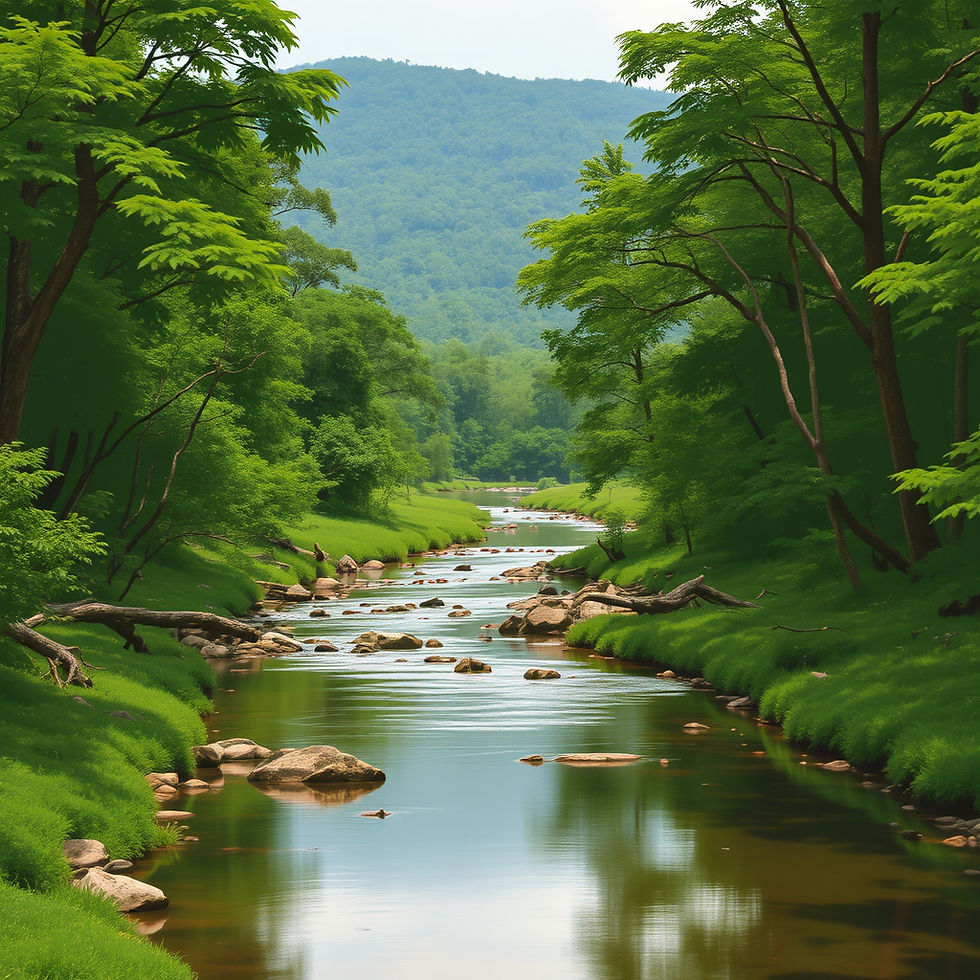
The river curves like liquid silver beneath the African sun. A hippo’s yawn breaks the stillness, and a flock of herons rise in a flash of white wings. In the distance, the mountains fade into a violet haze. Welcome to Rusizi National Park, where land, water, and sky blend into one — and the wild still breathes freely.
Introduction – Burundi’s Wild Frontier
Just 15 kilometers from Bujumbura, Burundi’s largest city, lies a sanctuary that feels a world away. Rusizi National Park stretches along the banks of the Rusizi River — a calm, winding waterway that separates Burundi from the Democratic Republic of Congo.
Here, hippos laze in shallow pools, crocodiles bask on sandy islands, and over 200 species of birds fill the sky with color and sound. It’s the perfect safari escape for travelers seeking both adventure and serenity, without ever leaving the capital’s reach.

Geography & Ecosystem
Rusizi’s ecosystem is one of Burundi’s most diverse. The park is divided into two main zones:
Rusizi Delta (Lower Zone): A wide floodplain filled with papyrus reeds and lagoons where hippos and crocodiles thrive.
Rusizi Upper Zone: Drier savannah plains dotted with acacia trees and small herds of antelope.
The Rusizi River feeds into Lake Tanganyika, creating a delicate balance of freshwater and wetland habitats. This mix attracts countless species — from kingfishers to African jacanas — and supports one of East Africa’s smallest yet most vibrant conservation zones.
Wildlife Encounters
The stars of Rusizi are, without doubt, its hippos. Dozens gather daily along the riverbanks, grunting and splashing in lazy unison. The park’s Nile crocodiles are equally famous, often seen basking in the sun, motionless and prehistoric.
Other residents include sitatungas, vervet monkeys, monitor lizards, and an astonishing variety of birds:
African fish eagles
Pied kingfishers
Goliath herons
Open-billed storks
Malachite sunbirds
For photographers and birdwatchers, this park is paradise — small enough to explore fully, but alive with constant movement and surprise.
Activities for Travelers
Rusizi is ideal for both casual visitors and serious adventurers. Some highlights include:
Boat Safaris: Glide quietly along the Rusizi River for close-up views of hippos and crocodiles.
Walking Trails: Explore guided footpaths through grassland and acacia groves, perfect for birdwatching.
Photography Tours: Capture the reflections of wildlife in golden morning light.
Picnic by the Delta: Enjoy a quiet meal surrounded by the sounds of nature.
Cultural Stops: Visit nearby fishing villages and meet locals who live harmoniously with the park’s rhythms.
Accessibility from Bujumbura
One of Rusizi’s greatest advantages is its proximity to the capital. From downtown Bujumbura, it takes only 25–30 minutes by car. Roads are well-maintained, and many hotels can arrange half-day tours or private safaris.
For travelers short on time, Rusizi offers a quick yet authentic taste of East Africa’s wild heart — the perfect morning escape before returning to the lakeside city life.
Culture & Conservation
Local communities play a vital role in protecting Rusizi’s delicate ecosystem. Guides from surrounding villages share stories of coexistence — how fishermen avoid hippos’ paths and farmers respect wildlife zones.
The park is managed with help from the Institut National pour l’Environnement et la Conservation de la Nature (INECN), emphasizing eco-tourism and sustainable visitation. Your entry fee supports conservation, ranger patrols, and education programs for local youth.
Where to Stay
Stay close to nature or enjoy comfort nearby — either way, Rusizi’s tranquility surrounds you:
Club du Lac Tanganyika (Bujumbura): Lakeside luxury resort with quick access to the park.
Hotel Safari Gate: Ideal for travelers combining city life and eco-adventure.
Rusizi Eco Camp: A small, rustic option near the park gate with guided bird tours.
Sustainability & Responsible Travel
Rusizi is a fragile ecosystem — every footprint matters.
approved practices for responsible tourism include:
Stay on marked trails.
Avoid feeding animals.
Use silent-mode or low-noise motors during boat safaris.
Support eco-guides and community shops near the entrance.
Refill water bottles instead of using disposable plastic.
By treading lightly, you become part of the solution that keeps Rusizi’s skies full of wings.
Tips
Go early morning or late afternoon for best light and active wildlife.
Carry binoculars for birdwatching.
Bring sunscreen, hat, and insect repellent.
Ask guides about Gustave, the legendary giant crocodile said to inhabit the Rusizi.
Combine your visit with Lake Tanganyika sunset dining for a full day of nature and relaxation.
Highlights
Just 30 minutes from Bujumbura
Hippos, crocodiles, and over 200 bird species
Scenic boat and walking safaris
Great for photographers and families
A key stop in Burundi’s eco-tourism circuit
Recommendations
Best time to visit: June–October (dry season) for clear views.
Hire official guides — they know wildlife behavior intimately.
Carry cash for entrance fees (around $10–15 per visitor).
Pair your trip with nearby Karera Falls or Gishora Drum Sanctuary.
Stay in Bujumbura for easy access and lakeside relaxation.
Conclusion – Where Sky Meets Still Water
In Rusizi, the wild doesn’t roar — it hums. It’s the sigh of reeds in the breeze, the splash of a hippo at dusk, the quiet beat of wings over the delta.
Few places on Earth balance calm and chaos so beautifully. Here, the sky mirrors the river, and every ripple carries the spirit of Burundi’s gentle wildness. Rusizi isn’t just a park — it’s where nature and peace learn to live together.


Comments