
Maasai Market – The Beating Heart of Kenya’s Art, Culture, and Craftsmanship

In the heart of Kenya’s cities, color explodes. Beads shimmer in the sun, carved wooden animals stare proudly from tables, and the air hums with lively chatter and bargaining. Welcome to the Maasai Market Kenya — a celebration of art, tradition, and creativity that captures the soul of an entire nation.
From Nairobi to Mombasa, this open-air market brings together artisans from across the country — from the Maasai, Kikuyu, Kamba, Turkana, and Luo communities — offering handmade jewelry, paintings, fabrics, and souvenirs that tell Kenya’s story through every stitch and stroke.
It’s not just a market; it’s an experience.
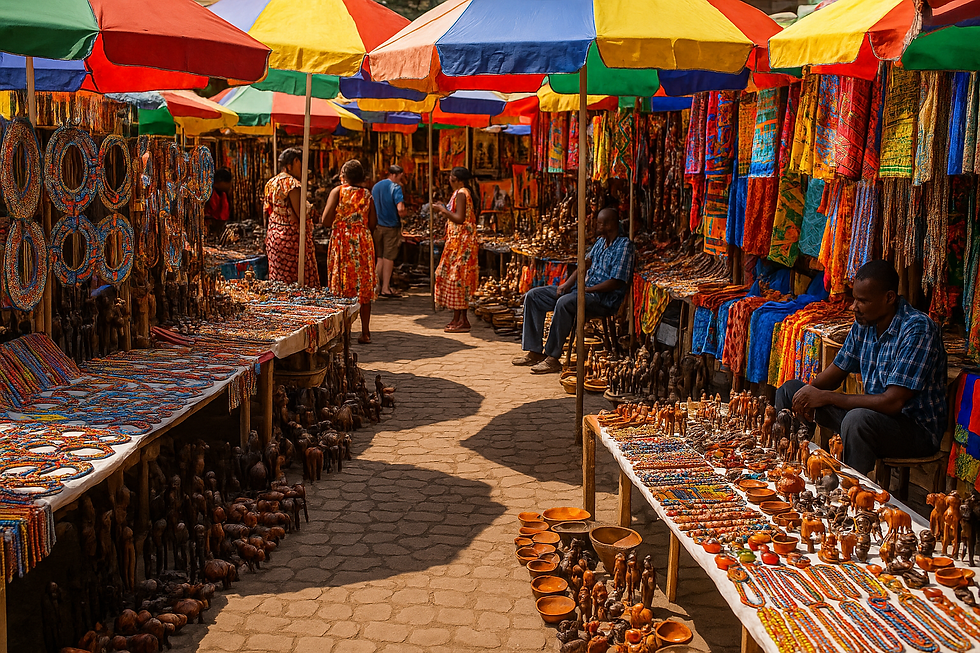
Maasai Market Kenya – A Cultural Treasure Trove
The Maasai Market began as a small gathering of local artisans in the 1990s, where the Maasai people would sell their famous beadwork and leather crafts to tourists. Over time, it expanded to include artists and craftsmen from all over Kenya, evolving into one of East Africa’s most famous cultural markets.
Today, it’s a must-visit destination for anyone seeking authentic African souvenirs, traditional art, and a taste of Kenya’s vibrant culture.
Where to Find the Maasai Market in Kenya
If you’re in Nairobi, the Maasai Market moves around the city throughout the week, offering visitors flexibility and variety. Here’s the typical schedule (subject to change):
Monday: High Court parking (City Center)
Tuesday: Kijabe Street (Prestige Plaza or near Capital Centre)
Wednesday: Junction Mall (Ngong Road)
Thursday: Village Market (Gigiri)
Friday: Capital Centre (Mombasa Road)
Saturday: High Court parking (City Center)
Sunday: Yaya Centre (Hurlingham)
In Mombasa, you’ll find it near Fort Jesus and Old Town, where the coastal sun adds even more warmth to the colorful stalls.
Each venue has its own vibe — from the relaxed suburban setting of Village Market to the energetic downtown chaos of the High Court parking lot.

What to Buy at the Maasai Market
Walking through the Maasai Market feels like exploring a living art gallery. Every turn reveals new treasures:
1. Beaded Jewelry and Accessories
The Maasai are world-famous for their beadwork. From multicolored necklaces and earrings to belts and sandals, every piece carries symbolic meaning — colors represent courage, love, or community.
2. Wooden Carvings
Hand-carved animal figures, walking sticks, masks, and utensils made from mahogany or ebony wood showcase the intricate craftsmanship of Kenyan artisans.
3. Paintings and Wall Art
Local painters display vibrant depictions of African wildlife, Maasai warriors, village life, and savanna landscapes — perfect for home décor or gifts.
4. Kitenge and Kikoy Fabrics
These colorful fabrics, worn across East Africa, can be turned into dresses, shirts, or scarves. Each pattern tells a story of heritage and identity.
5. Leather Goods
Kenyan leather is known for its durability and craftsmanship. You’ll find handmade wallets, sandals, handbags, and belts in natural earthy tones.
6. Musical Instruments and Decor
Small drums, thumb pianos (kalimbas), and home décor pieces made from recycled materials bring a touch of Africa into your home.
The Art of Bargaining
Bargaining is part of the Maasai Market experience — almost an art form. Prices are often set high at first, expecting you to negotiate.
Here’s how to do it right:
Start with a smile — friendliness opens doors.
Cut the first price by half, then work your way up.
Buy multiple items from one seller for a better deal.
Be respectful — these crafts take time and skill.
The goal isn’t to underpay, but to find value while supporting local artisans.
The Culture Behind the Crafts
Every piece sold at the Maasai Market carries a story.
For the Maasai women, beadwork is more than fashion — it’s a language. Each pattern symbolizes social status, age, and marital status.
For the Kamba woodcarvers, artistry runs deep — families have passed the skill down for generations.
For painters and sculptors, the market is both an economic lifeline and a cultural stage where they express modern Kenyan identity while preserving ancestral wisdom.
The market, therefore, is not only a shopping experience but also a living museum of Kenya’s cultural diversity.
How to Get to Maasai Market Kenya
From Nairobi CBD: Take a short taxi or matatu (minibus) to the day’s location.
From Jomo Kenyatta International Airport: It’s about 25–30 minutes by car, depending on traffic.
From Westlands or Karen: The market locations at Village Market or Yaya Centre are most convenient.
For first-time visitors, hiring a local guide can enhance the experience and help with translation or bargaining.
Best Time to Visit Maasai Market
The market is open from 8:00 AM to 6:00 PM, but the best hours are 9:00 AM to 3:00 PM — before crowds and afternoon heat build up.
Morning: Vendors are fresh and ready to negotiate.
Afternoon: Perfect for photographs, with sunlight highlighting the vibrant colors.
Try to visit on Saturday or Sunday for the largest variety of vendors and live demonstrations.
Where to Stay Near the Maasai Market
Depending on which market you visit, great stays nearby include:
Sankara Nairobi (Westlands) – For luxury and proximity to Village Market.
The Sarova Stanley (CBD) – For downtown charm and colonial elegance.
Hemingways Nairobi (Karen) – For a serene, upscale experience.
Budget travelers can explore Khweza Bed & Breakfast or Wildebeest Eco Camp for affordable comfort.
Safety and Travel Tips
Keep valuables secure and stay alert in crowded areas.
Carry small cash (Kenyan Shillings). Most vendors don’t accept cards.
Always ask before taking photos of people or their stalls.
Wear light clothing and sunscreen — markets are outdoors.
Hydrate often and enjoy street snacks like roasted maize nearby.
Conclusion – Where Kenya’s Colors Come Alive
The Maasai Market Kenya is more than a shopping stop — it’s a cultural heartbeat. Every bead, carving, and painting carries the spirit of Kenya’s people: proud, creative, and deeply connected to their land.
It’s a place where tourists meet artists, where stories are told without words, and where Kenya’s traditions find new life in every handmade masterpiece.
If you want to take a piece of Kenya home — not just a souvenir, but a story — then the Maasai Market is where to find it.
Safety Reminder: Visit during daylight, bargain respectfully, and support local artisans — your purchase sustains Kenyan culture.


Comments